

Understanding the psychology behind gambling What drives our desire to play
The Allure of Risk and Reward
The psychology of gambling is deeply rooted in our inherent attraction to risk and reward. When individuals engage in gambling activities, they often experience a surge of adrenaline, a psychological response known as the thrill of risk. This excitement can lead to heightened feelings of exhilaration and anticipation, creating a potent desire to play. The possibility of winning significant amounts of money or achieving a personal goal often outweighs the risks involved for many players, especially in an environment like astronauts.games. This dynamic can be likened to the concept of “variable reinforcement,” where uncertain rewards keep players engaged longer.

The anticipation that builds as players wait for a result—whether it’s the spin of a slot machine or the draw of a card—activates the brain’s reward system. When wins occur, even if they are small, they provide a temporary boost in mood and can lead to a cycle of repeated behavior. This cycle is reinforced by the brain’s release of dopamine, a neurotransmitter associated with pleasure and satisfaction, further driving the desire to gamble. Understanding this psychological mechanism can help individuals recognize the factors that compel them to seek out gambling experiences.
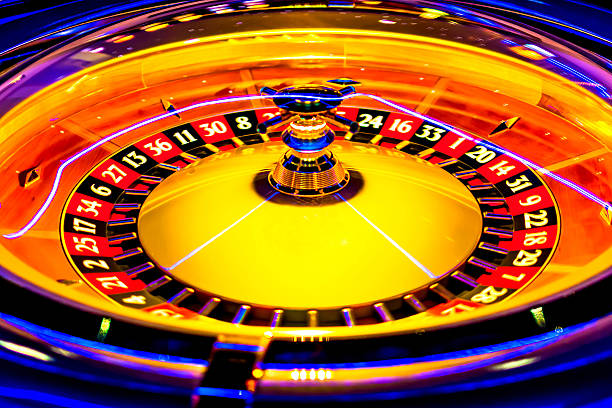
Moreover, the environment in which gambling takes place plays a critical role in shaping player behavior. The sights and sounds of a casino—flashing lights, ringing bells, and the buzz of excitement—serve as powerful stimuli that heighten the gambling experience. These sensory elements are strategically designed to create a euphoric atmosphere that can distract players from rational decision-making, thereby enhancing the desire to engage in more gambling activities. This intentional design underscores the psychological intricacies that fuel our attraction to gambling.
The Role of Social Influence
Social factors significantly impact gambling behavior, often serving as a catalyst for participation. Many individuals are introduced to gambling through social circles, whether it’s friends inviting them to a casino or family members hosting game nights at home. This social aspect can make the experience more enjoyable and less intimidating, as it encourages camaraderie and shared excitement. Additionally, peer pressure may compel individuals to participate in gambling activities they might otherwise avoid.
The sense of belonging that comes with engaging in social gambling can further enhance the desire to play. For many, gambling becomes a social event, allowing players to bond over shared experiences. This social interaction can amplify the emotional highs of winning and provide support during losses, making the activity feel less like an individual risk and more like a collective journey. The thrill of sharing these experiences often leads individuals to continue participating in gambling activities, reinforcing their commitment to play.
However, social influences can also lead to negative behaviors, such as chasing losses or participating in unhealthy gambling patterns. The normalization of gambling within certain social circles can create an environment where excessive gambling is overlooked or even encouraged. Recognizing the role of social influence is crucial in understanding one’s gambling behavior, as it can help individuals make more informed choices about their participation in such activities.
The Illusion of Control
A fascinating psychological aspect of gambling is the belief in personal control over outcomes, even in games of pure chance. Many gamblers develop a false sense of mastery, thinking that their decisions can influence the results. This illusion of control often leads players to engage more frequently, convinced that their strategies or intuition will result in favorable outcomes. Such beliefs are prevalent in activities like poker, where skill is involved, but they also extend to games like slots or roulette, where luck plays a dominant role.
The phenomenon of gamblers believing they have the ability to predict outcomes is tied to cognitive biases such as the “gambler’s fallacy.” Players might assume that previous outcomes can affect future results, leading to flawed strategies. For instance, someone may believe that a particular number is “due” to win after a series of losses. This thinking further fuels the desire to play, as players feel empowered by their supposed ability to manipulate luck through specific choices.
Additionally, the marketing and promotion of gambling products often exploit this illusion of control, further enticing players. Casinos and gaming platforms emphasize skill-based games while downplaying the random elements that govern outcomes. By appealing to a player’s desire for agency, these entities enhance the motivation to gamble, leaving many individuals unaware of the psychological traps that fuel their desires.
The Impact of Emotional States
Emotions play a significant role in influencing gambling behavior. Many people turn to gambling as an escape from stress, anxiety, or feelings of inadequacy. The act of gambling can provide a temporary distraction and an emotional high, allowing individuals to forget about their problems, even if just for a moment. This emotional relief can make gambling feel appealing, leading to a cycle where individuals return to it during challenging times.
Conversely, gambling can also exacerbate negative emotions. The stress of losing money can trigger feelings of frustration and despair, pushing individuals to gamble more in an attempt to recover losses, a behavior known as “chasing losses.” This emotional rollercoaster can create a damaging pattern where gambling becomes a coping mechanism rather than a form of entertainment. Acknowledging the emotional states that drive individuals to gamble is essential for understanding the underlying psychology at play.
Furthermore, the intersection of emotion and gambling behavior can be magnified in social settings. Engaging in gambling during high-stakes events, such as a friend’s birthday or a major sporting event, can heighten the emotional intensity. These situations often create an environment ripe for impulsive decisions, reinforcing gambling habits driven by heightened emotional states. Recognizing these patterns can help individuals make more rational choices in their gambling endeavors.
Exploring the Future of Responsible Gambling
As the understanding of gambling psychology continues to evolve, so does the conversation around responsible gambling practices. Awareness of the psychological drivers behind gambling is crucial in promoting healthier habits and mitigating the risks associated with excessive play. Initiatives focusing on education, support, and self-awareness aim to empower players to make informed decisions about their gambling activities. By understanding what drives their desire to play, individuals can better navigate their experiences and recognize when to step back.
Additionally, the integration of technology into the gambling landscape offers new avenues for responsible play. Many gaming platforms now implement tools that encourage self-regulation, such as deposit limits, loss tracking, and time management features. These innovations not only foster a safer gambling environment but also provide players with the necessary insights to understand their behavior better. As these technologies continue to advance, they hold the potential to reshape how individuals engage with gambling in the future.
Ultimately, the responsibility of ensuring safe gambling practices lies with both the individual and the industry. By fostering open conversations about the psychological aspects of gambling, stakeholders can create a culture that prioritizes awareness and prevention. As more people recognize the factors driving their desire to gamble, it becomes easier to cultivate a healthier relationship with this popular form of entertainment, ensuring it remains a fun and enjoyable experience.